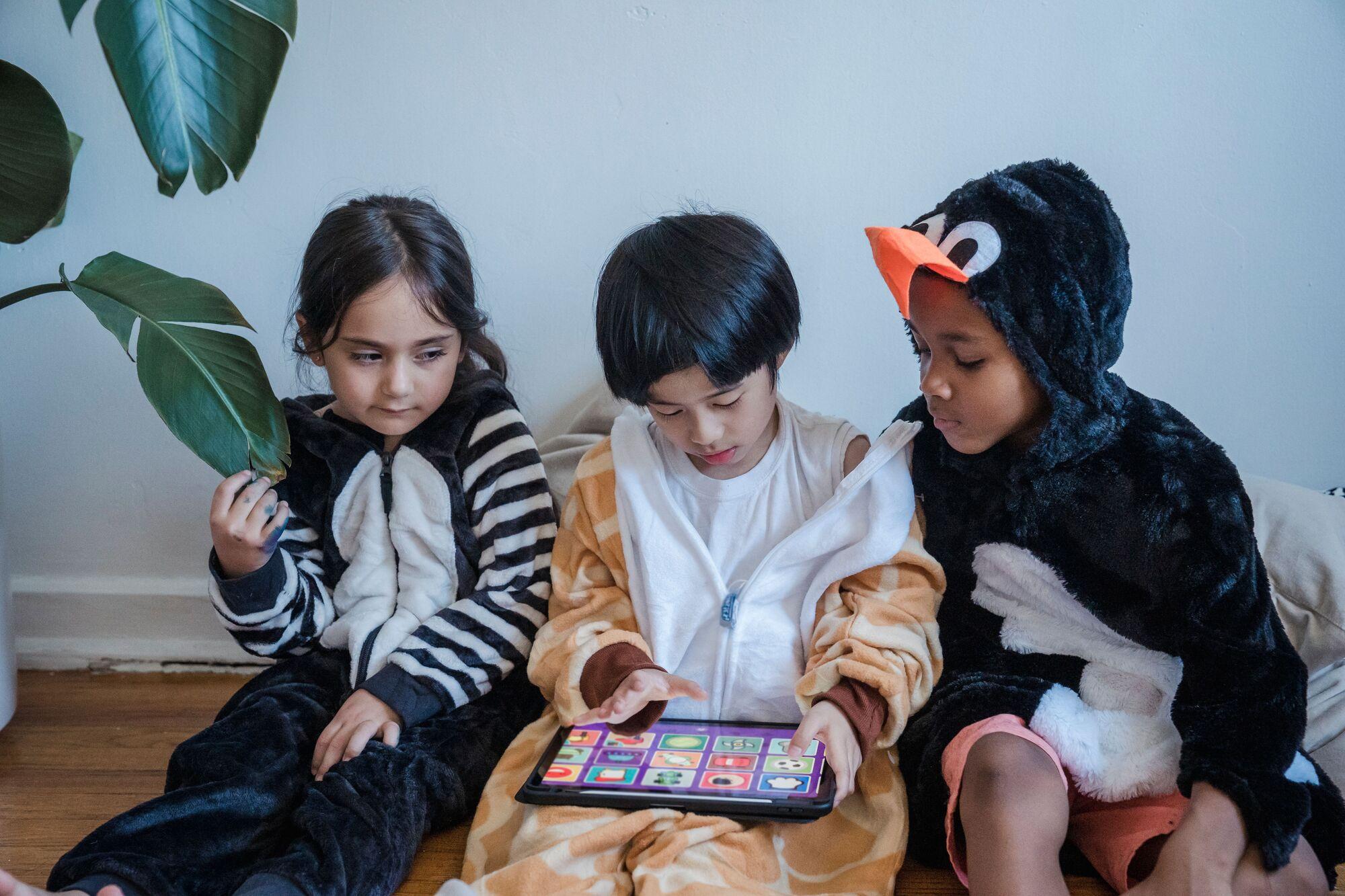
Make Reading Time the Highlight of the Day: 7 Simple Tricks
Many kids don't pick up a book on their own, and it's rarely because they can't read. Reading just doesn't feel good to them. These 7 tips change that step by step.
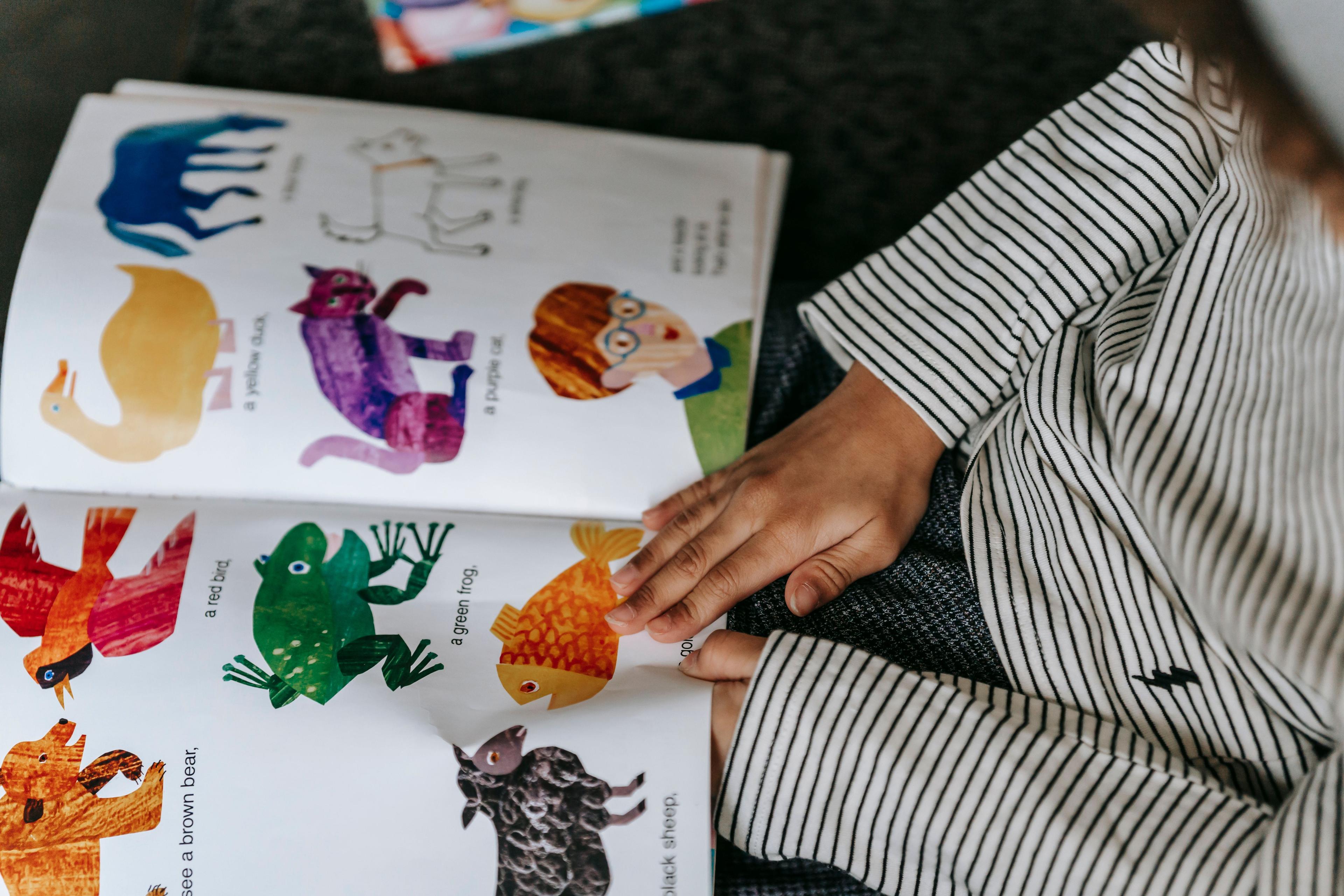
When did you last see your child pick up a book without being asked?
For many parents the honest answer is a bit sobering, and it was a while ago. That rarely means the child can't read. More often, reading doesn't feel good in everyday life, or it comes with pressure and expectations.
Kids don't decide against books on purpose. They drift away from reading when their past experiences with it weren't positive. If reading keeps getting tied to corrections, impatience or boredom, books quickly start to feel like hard work.
The good news is that this can change. Reading motivation grows out of many small, positive moments in daily life. Those moments decide whether reading later feels normal or like a duty.
Why reading motivation matters
Reading motivation is one of the biggest factors in whether a child reads voluntarily or avoids books. Children who enjoy reading pick up books more often, and over time that builds much better reading skills and a stronger understanding of texts.
It works in both directions, though. When reading comes with pressure, criticism or bad feelings, motivation drops fast and kids avoid books more and more. That's why it matters that children have positive experiences with reading early on and don't see books as a chore.
We've collected 7 simple tips to help you build your child's reading motivation step by step.
The 7 best tips for more reading motivation
1. Let your child choose
Kids are far more motivated when they get to decide what they read. That sense of self-determination makes them feel connected to the book and more willing to stick with it.
It matters little whether the choice makes sense to an adult or keeps repeating itself. What counts is that the child feels in control. That freedom is one of the strongest drivers of reading motivation.
2. Set a fixed reading time
A fixed reading time anchors reading as a natural part of the day. Children benefit when certain moments come back regularly, because that creates security and routine.
Length matters less than regularity. A few minutes a day can be enough if they happen in a calm, relaxed atmosphere. Reading then becomes a ritual that feels self-evident instead of a task.
3. Be a reading role model
Kids take their cues from what they see every day. If they see that reading is normal for you, they often adopt that attitude on their own.
No big production is needed. It's enough when your child regularly sees you with a book, or when you spend quiet time together where everyone reads. That builds the feeling that reading is nothing special or difficult. It's simply part of life.
4. Make progress visible
To stay motivated, children need to feel they're achieving something and getting better. With reading, progress often isn't visible right away, so it helps to notice it on purpose.
A finished chapter, a story they understood or reading aloud to someone else can already be a big win. Small playful elements can help too, as long as they support the reading and don't push it into the background.
5. Don't interrupt constantly
When children are interrupted or corrected right away while reading, it can take much of the joy out of it. They focus on possible mistakes instead of the story.
It's better to let your child read in peace first and offer gentle help afterwards. That way they keep the feeling that they can read on their own and are making progress, which is vital for long-term motivation.
6. Talk about what you read
Reading gets much more exciting when it doesn't stop at the page. Talking about stories helps children understand the content better and engage with it more deeply.
Questions about favorite characters, decisions or possible alternatives bring a story to life and build understanding at the same time. Reading turns into a shared experience instead of a silent activity.
7. Accept the days it doesn't work
Not every day is the same, and not every situation suits reading time. Sometimes a child is tired, distracted or just not in the mood.
That's perfectly normal and shouldn't turn into a conflict. When reading is tied to pressure, negative feelings tend to stick longer than positive ones. A short break or a relaxed change to the reading time is often the better answer.
Conclusion
Motivating children to read comes down to creating the right conditions. Pushing doesn't work. When reading is relaxed, the child gets a say and the experiences are positive, motivation often follows on its own.
You don't have to do everything at once. Even small changes in daily life can make a noticeable difference and, step by step, turn reading time into something your child looks forward to.
6 sources
- Institut für Schulentwicklungsforschung (IFS), TU Dortmund: Lesekompetenz und Lesemotivation im Grundschulalter
- Erfurter Universitätsstudie: Zur Entwicklung von Lesemotivation bei Grundschülern (2000–2003), DFG-Schwerpunktprogramm „Lesesozialisation in der Mediengesellschaft"
- PISA-Studie (div. Jahrgänge): Lesekompetenz und Leseverhalten Jugendlicher im internationalen Vergleich
- Deci, E. L. & Ryan, R. M. (1985): Intrinsic Motivation and Self-Determination in Human Behavior. Plenum Press.
- Hamari, J. & Koivisto, J. (2014): Measuring flow in gamification: Dispositional Flow Scale-2. Computers in Human Behavior, 40, 133-143.
- Igler, J., Ohle-Peters, A., Schlitter, T., Teerling, A., McElvany, N. & Köller, O. (2018): Diagnose und Förderung der Lesemotivation. Grundschule Deutsch, Heft 60.

Palino Team · Content Writer, Reading Buddy
Palino is a reading app that teaches children learn to read.